Author: Learner

  • Five Little Ducks

    Five little ducks went swimming one day
    Over the hills and far away
    Mother duck said, “Quack, quack, quack, quack”
    But only four little ducks came back

    Four little ducks went swimming one day
    Over the hills and far away
    Mother duck said, “Quack, quack, quack, quack”
    But only three little ducks came back

    Three little ducks went swimming one day
    Over the hills and far away
    Mother duck said, “Quack, quack, quack, quack”
    But only two little ducks came back

    Two little ducks went swimming one day
    Over the hills and far away
    Mother duck said, “Quack, quack, quack, quack”
    But only one little duck came back

    One little duck went swimming one day
    Over the hills and far away
    Mother duck said, “Quack, quack, quack, quack”
    But none of the five little ducks came back

    Sad mother duck went out one day
    Over the hills and far away
    Mother duck said, “Quack, quack, quack, quack”
    And all of the five little ducks came back

    The rhyme teaches counting and subtraction in a fun and engaging way. Children often enjoy making hand gestures and acting out the story of the little ducks swimming away and then returning to their mother. It’s a delightful nursery rhyme that has been cherished by generations of children.
  • Row, Row, Row Your Boat

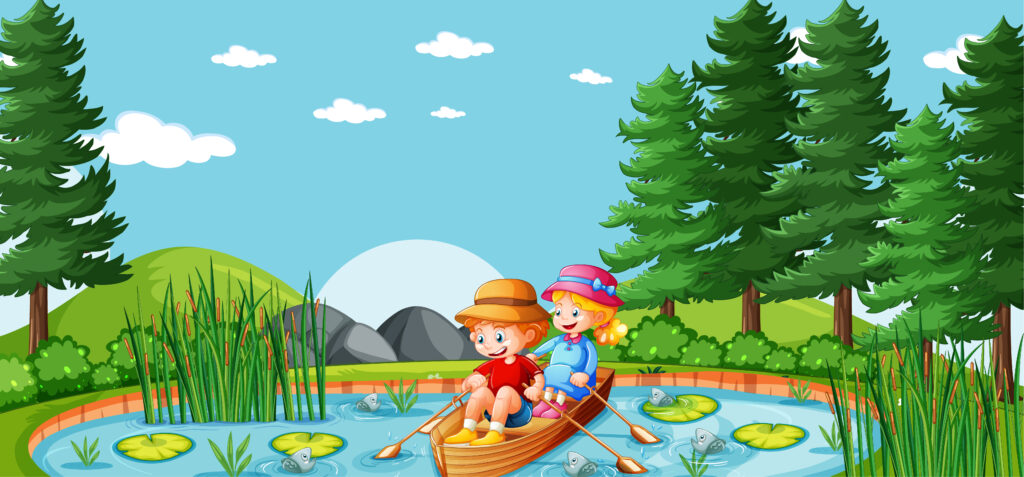
    Row, row, row your boat,
    Gently down the stream.
    Merrily, merrily, merrily, merrily,
    Life is but a dream.

    Row, row, row your boat,
    Faster, faster, faster.
    Merrily, merrily, merrily, merrily,
    Life is but a race.

    Row, row, row your boat,
    Gently to the shore.
    If you see a crocodile,
    Don’t forget to row!

    The song is often sung in rounds, where one group starts singing, and then another group starts a few beats later, creating a harmonious overlapping effect. It’s a fun and interactive song often enjoyed during group activities or with friends and family on outings like boat rides or picnics.

  • Incy Wincy Spider

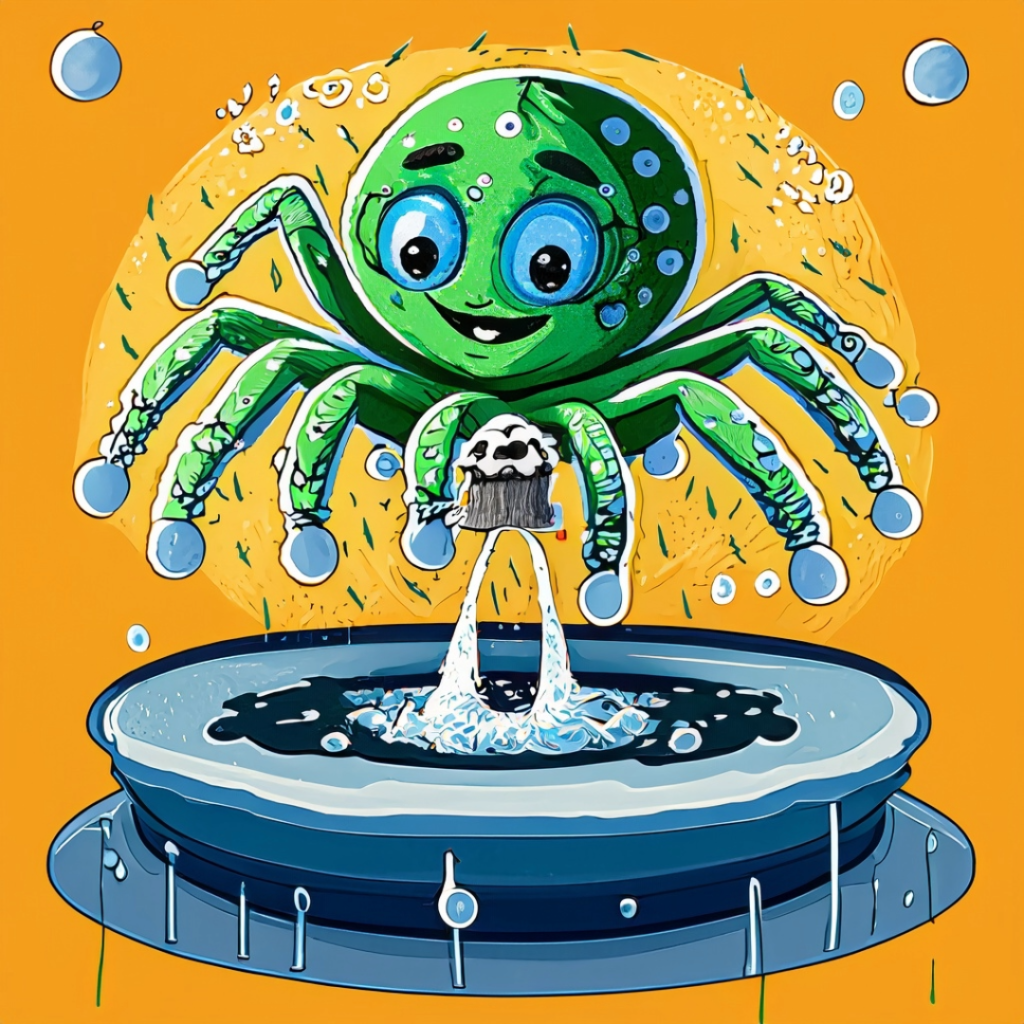
    Incy Wincy Spider
    Climbed up the water spout.
    Down came the rain,
    And washed poor Incy out.
    Out came the sunshine,
    And dried up all the rain,
    And Incy Wincy spider
    Climbed up the spout again.

    “Incy Wincy Spider,” also known as “Itsy Bitsy Spider,” is a popular nursery rhyme and children’s song. It tells the story of a small spider’s adventures as it climbs up a water spout. The song is often accompanied by hand gestures, where children mimic the spider’s climbing motion with their fingers. It’s a delightful and fun song that children and parents enjoy singing together.

  • Jack and Jill

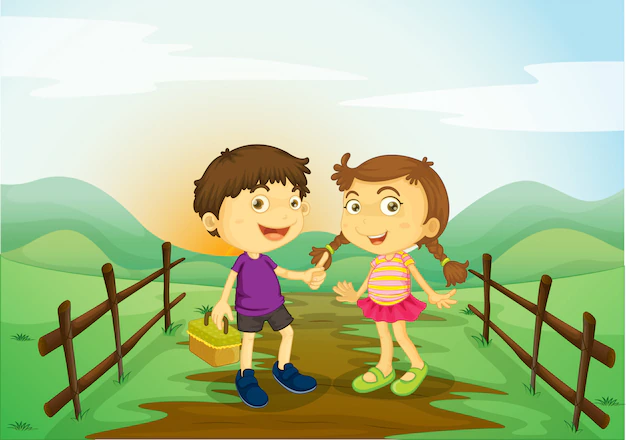
    Jack and Jill went up the hill
    To fetch a pail of water.
    Jack fell down and broke his crown,
    And Jill came tumbling after.

    Up Jack got and home did trot
    As fast as he could caper;
    He went to bed to mend his head,
    With vinegar and brown paper.

    Jill came in to see him dressed,
    His face was plastered all with plaster.
    “Oh, what a sight!” cried Jill so sore,
    “You look as if you’d been to war!”

    “I have,” quoth Jack, “I’ve been to seek
    A pail of water for my leak.
    But Jack’s pail it came too soon,
    And Jill’s came tumbling down.”

    Jack’s mother whipped her next
    For laughing at Jack’s disaster.
    Now Jack did laugh and Jill did cry,
    But her tears did soon abate.

    Then Jill did say that they should play
    At seesaw across the gate.

    “Jack and Jill” tells a playful and humorous tale of two children who embark on a simple task but encounter mishaps along the way. It is a popular and timeless rhyme enjoyed by children and adults alike.

  • Humpty Dumpty

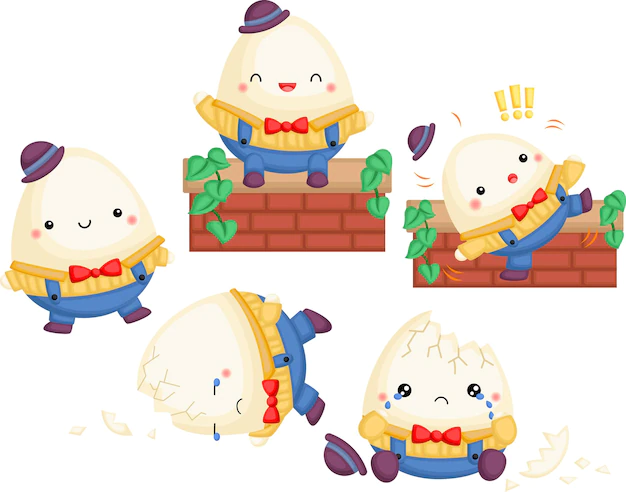
    Humpty Dumpty sat on a wall,
    Humpty Dumpty had a great fall.
    All the king’s horses and all the king’s men
    Couldn’t put Humpty together again.

    Humpty Dumpty is often portrayed as an egg-shaped character in illustrations and adaptations. The rhyme has been passed down through generations and is commonly recited to children. It tells the story of a personified egg named Humpty Dumpty who falls off a wall and cannot be repaired.

  • The Wheels on the Bus

    The wheels on the bus go round and round,
    Round and round, round and round.
    The wheels on the bus go round and round,
    All through the town.

    The doors on the bus go open and shut,
    Open and shut, open and shut.
    The doors on the bus go open and shut,
    All through the town.

    The wipers on the bus go swish, swish, swish,
    Swish, swish, swish, swish, swish, swish.
    The wipers on the bus go swish, swish, swish,
    All through the town.

    The horn on the bus goes beep, beep, beep,
    Beep, beep, beep, beep, beep, beep.
    The horn on the bus goes beep, beep, beep,
    All through the town.

    The people on the bus go up and down,
    Up and down, up and down.
    The people on the bus go up and down,
    All through the town.

    There are many variations and additional verses that can be added to the song. It’s a fun and interactive tune for children, often accompanied by hand gestures or actions that represent the different parts of the bus.

  • Mary Had a Little Lamb

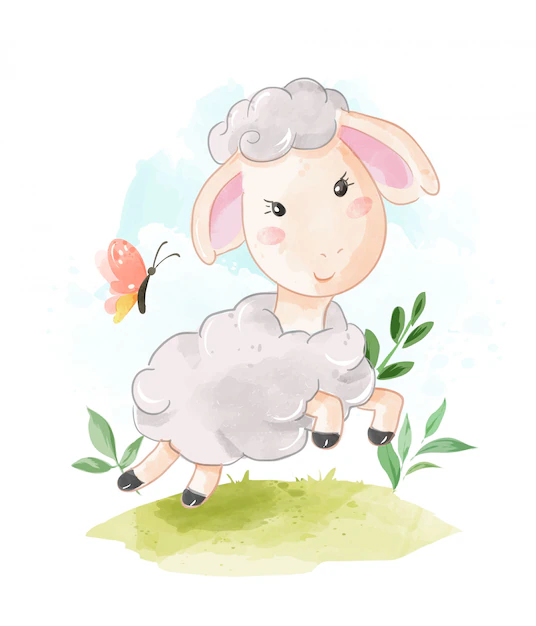
    Mary had a little lamb,
    Its fleece was white as snow;
    And everywhere that Mary went,
    The lamb was sure to go.

    It followed her to school one day,
    Which was against the rule;
    It made the children laugh and play
    To see a lamb at school.

    And so the teacher turned it out,
    But still it lingered near,
    And waited patiently about
    Till Mary did appear.

    “Why does the lamb love Mary so?”
    The eager children cry;
    “Why, Mary loves the lamb, you know,”
    The teacher did reply.

    The rhyme describes Mary’s close bond with her little lamb and how the lamb faithfully follows her everywhere she goes, even to school. The presence of the lamb brings joy and amusement to the children, but it ultimately leads to the teacher asking the question of why the lamb loves Mary so much. The answer provided is that Mary loves the lamb in return. The rhyme has been enjoyed by generations of children and is often used as a song or a finger play.

  • Baa, Baa, Black Sheep

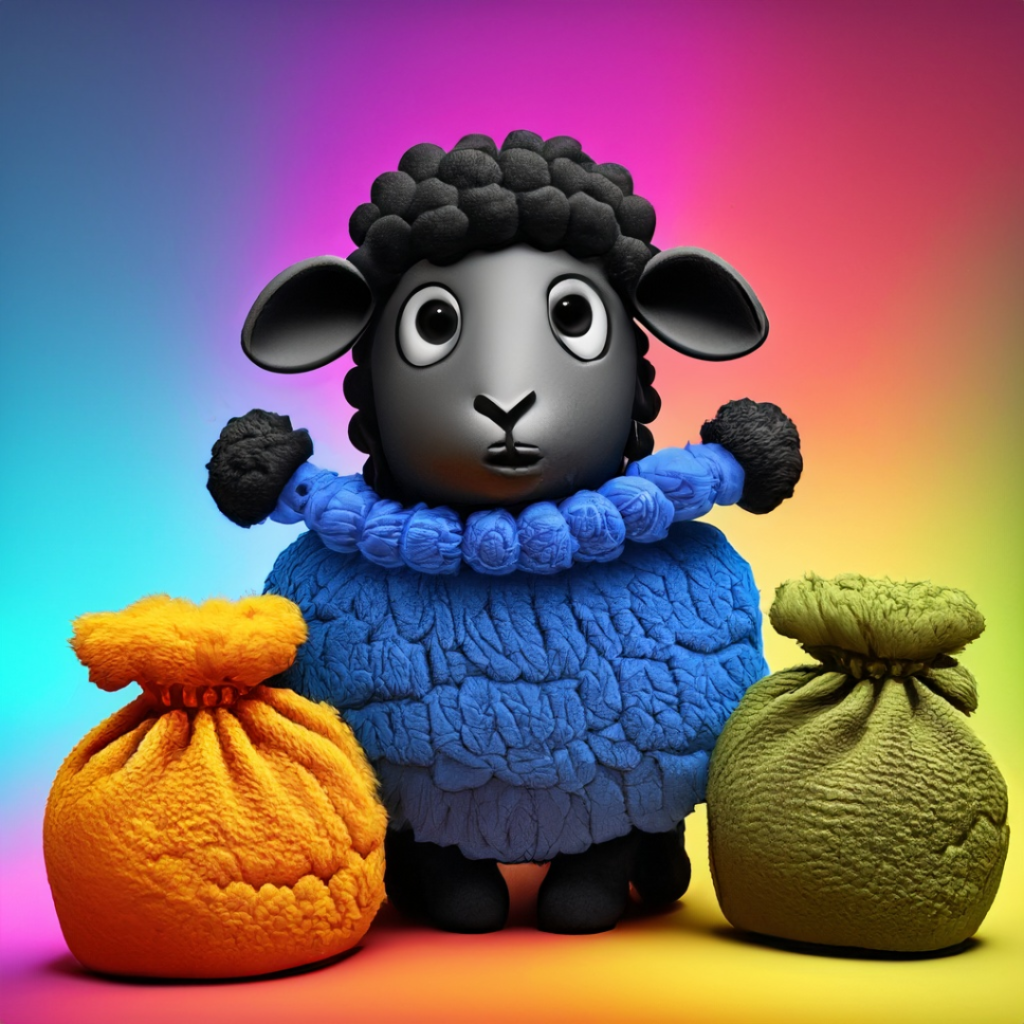
    Baa, baa, black sheep,
    Have you any wool?
    Yes, sir, yes, sir,
    Three bags full;

    One for the master,
    And one for the dame,
    And one for the little boy
    Who lives down the lane.

    The rhyme portrays a child addressing a black sheep and inquiring about its wool. The sheep responds affirmatively, stating that it has three bags full of wool. The child then asks how the wool will be divided, and the sheep explains that one bag is for the master, one for the dame (a term for a lady or woman), and one for the little boy who resides down the lane.

  • Twinkle, Twinkle, Little Star

    Twinkle, twinkle, little star,
    How I wonder what you are!
    Up above the world so high,
    Like a diamond in the sky.
    Twinkle, twinkle, little star,
    How I wonder what you are!

    When the blazing sun is gone,
    When he nothing shines upon,
    Then you show your little light,
    Twinkle, twinkle, all the night.
    Twinkle, twinkle, little star,
    How I wonder what you are!

    In the dark blue sky so deep,
    Through my curtains often peep,
    For you never close your eyes,
    Till the morning sun does rise.
    Twinkle, twinkle, little star,
    How I wonder what you are!

    Though I know not what you are,
    Twinkle, twinkle, little star,
    Twinkle, twinkle, little star,
    How I wonder what you are!

    This song is often sung to children to help soothe them and lull them to sleep. It has become one of the most well-known and beloved nursery rhymes around the world.The lyrics were written by Jane Taylor.